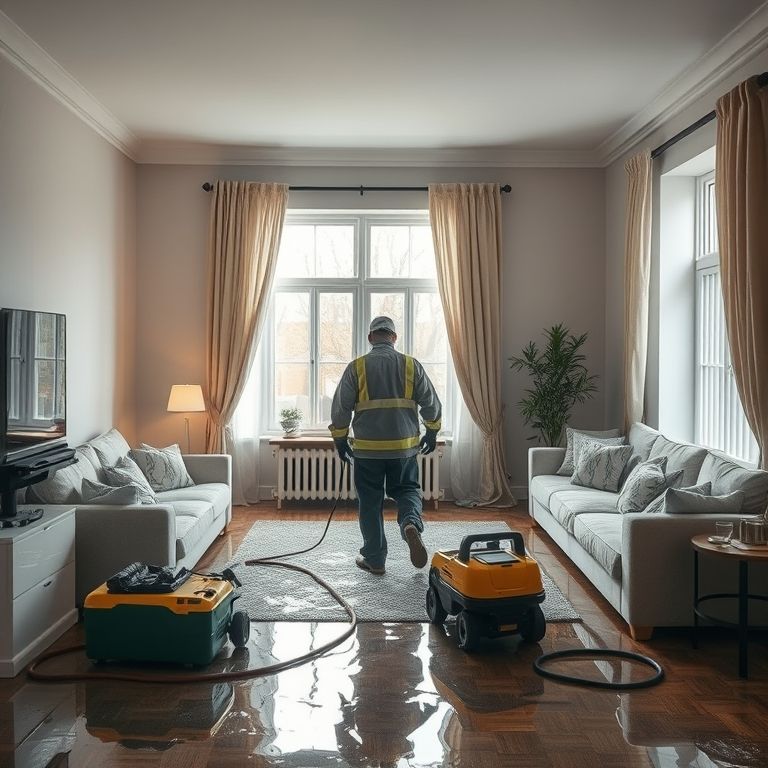
Flooding is one of the most destructive events a homeowner can face. Beyond the immediate chaos of rising water, the long-term damage it leaves behind can affect your property’s safety, structure, and indoor air quality. The good news is that flood restoration doesn’t just focus on cleanup—it also plays a major role in preventing future damage. When done correctly, it addresses both visible issues and hidden threats, ensuring your home is safe, dry, and resilient.
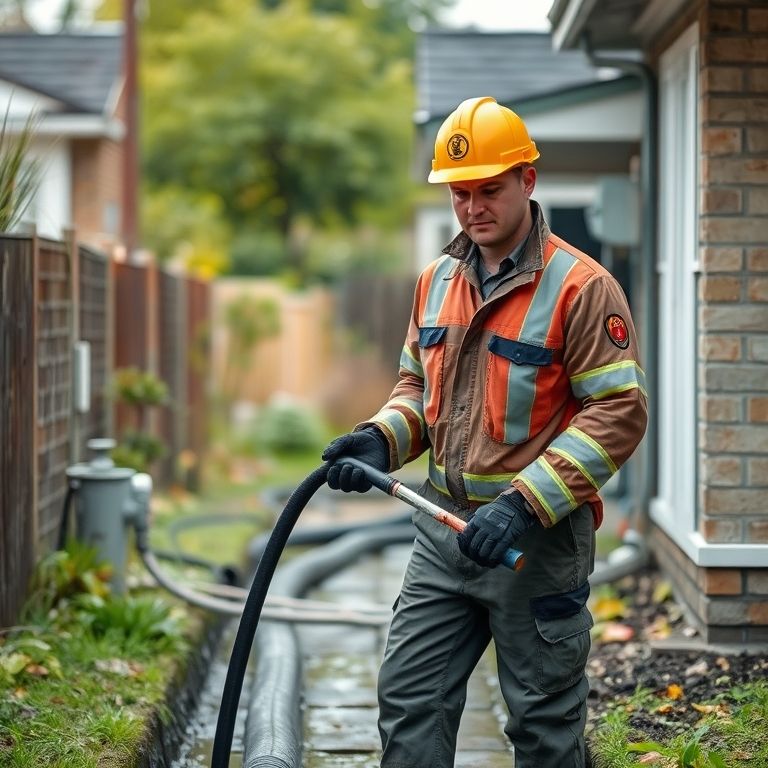
A sewage backup is one of the most dangerous and stressful disasters homeowners can face. Unlike clean water leaks or minor flooding, sewage water contains harmful bacteria, viruses, and toxic contaminants that pose serious health risks. Beyond the immediate dangers, untreated sewage damage can also cause structural problems, foul odors, and mold growth if not addressed quickly and properly.
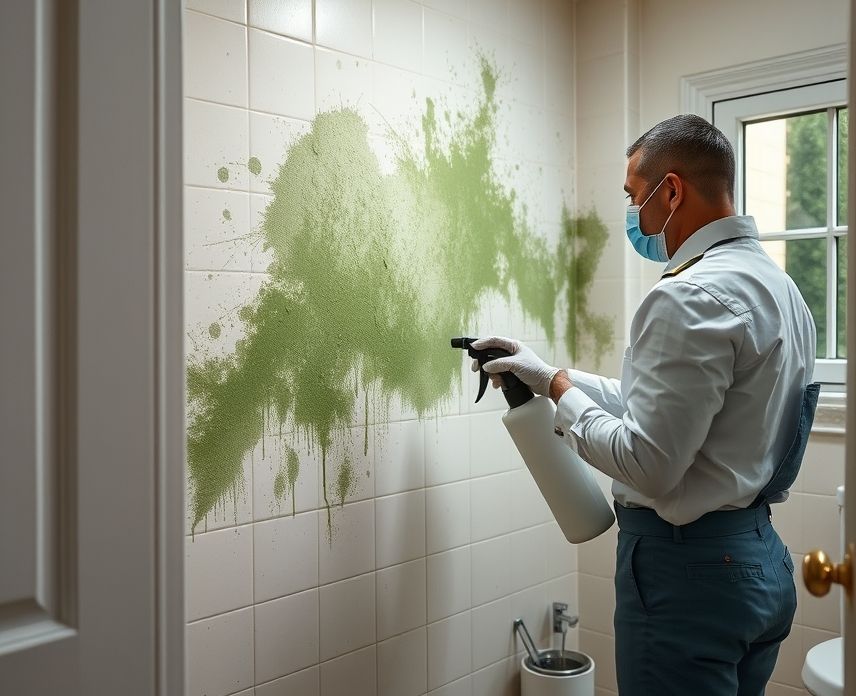
Water damage is one of the most destructive issues a property owner can face. Whether caused by a burst pipe, flooding, or sewage backup, water intrusion doesn’t just leave behind visible messes—it can trigger hidden dangers like mold growth and long-term structural damage. Many homeowners attempt to handle water damage on their own, only to discover lingering odors, warped materials, and unhealthy living conditions later on.
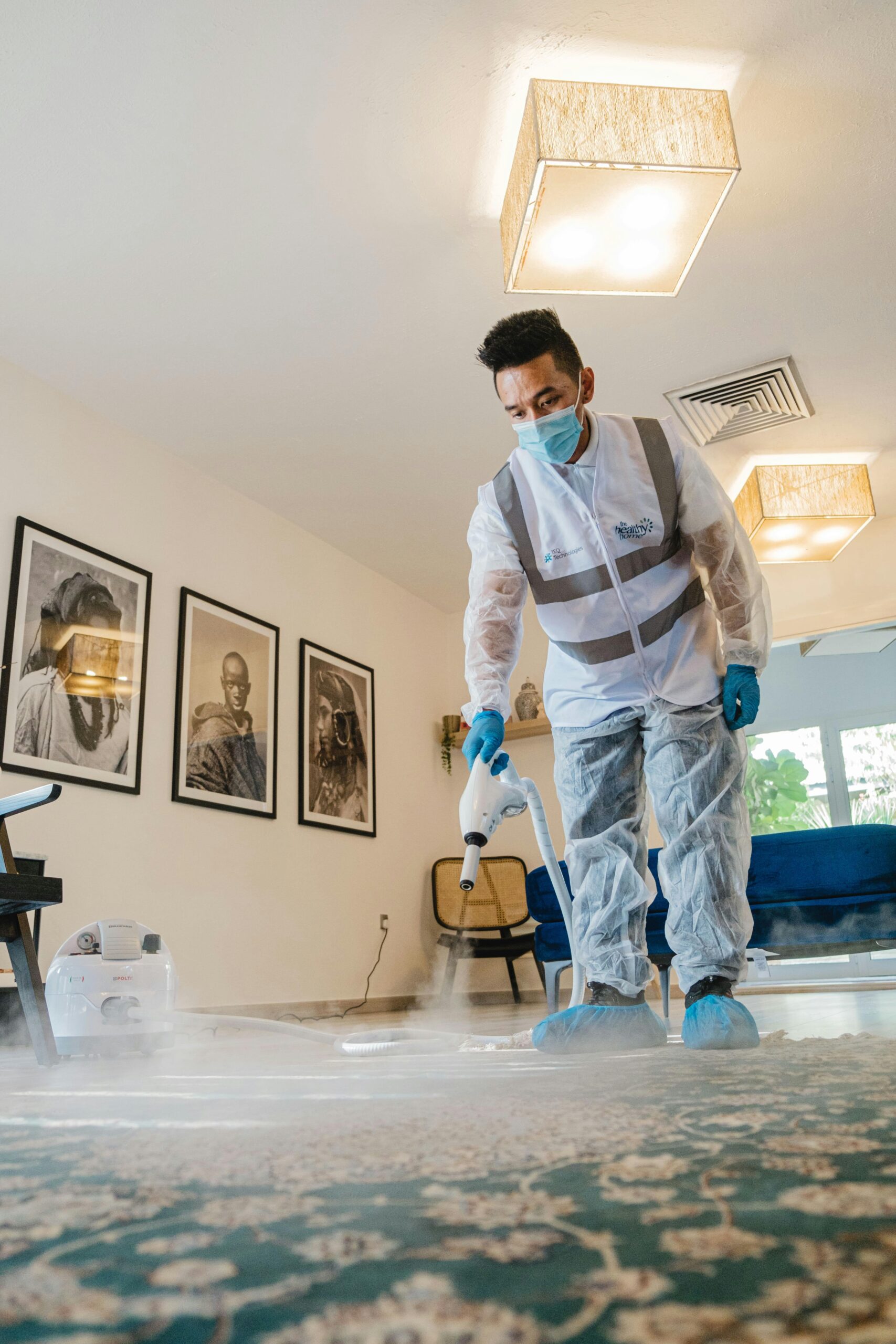
Water damage is one of the most stressful experiences for any homeowner. Beyond the structural issues it causes, water intrusion can wreak havoc on carpets and upholstered furniture. These soft surfaces act like sponges, absorbing water, dirt, and contaminants, which can lead to lingering odors, mold growth, and permanent staining if not handled properly. Fortunately, professional cleaning and restoration methods can save your carpet after water damage.